English
 Español
 Français
 Português
 Pусский
Automotive Zip Ties for Car Wiring & Bumper Cable Management Solutions
In modern automotive systems, electrical wiring is no longer limited to simple lighting or ignition circuits. Today’s vehicles integrate sensors, cameras, battery systems, and electronic control units that require complex wiring networks running through tight and high-temperature environments.
However, in many repair shops, modification garages, and even OEM assembly lines, cable routing is still treated as a secondary task. This often leads to loose wiring, insufficient fastening strength, and premature wear caused by heat, vibration, or friction.
A poorly managed cable system is not just an aesthetic issue—it can directly affect vehicle reliability and safety performance.
Common Problems in Automotive Wiring and Fastening Systems
1. Heat exposure in engine compartments
Engine bays can reach extremely high temperatures. Over time, weak fastening materials may deform or lose grip strength.
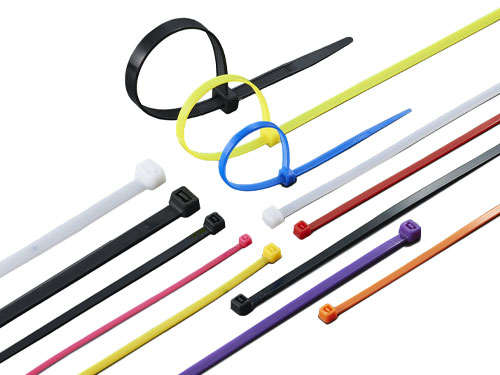
For engineers dealing with thermal stress conditions, Zip Ties for Car engine bay applications are often evaluated as a practical fastening method in high-temperature environments where stability is critical.
2. Continuous vibration during driving
Vehicles generate constant vibration, especially on uneven roads. This leads to gradual loosening of improperly secured cables.
3. Sharp edges and friction points
Metal brackets and plastic housings often create friction zones that damage insulation layers over time.
4. Improper load distribution
When cables are not evenly supported, stress concentrates on specific points, increasing the risk of breakage.
These issues are especially common in aftermarket modifications where installation speed is prioritised over long-term durability.
Engineering Approaches to Better Cable Routing
To improve reliability, automotive engineers generally rely on structured fastening systems that distribute stress evenly and resist environmental factors.
Heat-Resistant and UV-Stable Materials
Modern fastening solutions often use nylon-based materials designed to maintain stability under high temperatures and prolonged UV exposure. This is particularly important in external applications such as bumper installations or underbody wiring.
In exterior vehicle systems, Zip Ties for Car bumper fixing solutions are commonly referenced in design discussions due to their ability to withstand vibration and outdoor exposure conditions.
Modular Mounting Systems
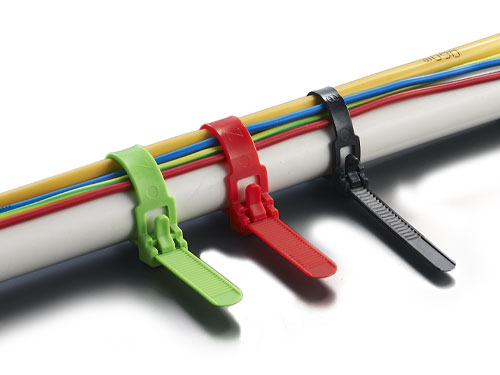
Instead of simple bundling, modular fastening systems allow cables to be anchored at multiple points, reducing vibration impact and improving structural stability.
Application-Based Selection
Different areas of a vehicle require different fastening strategies:
- Engine bay: heat resistance and oil resistance
- Interior wiring: flexibility and compact design
- Exterior bumper area: UV and impact resistance
Choosing the Right Fastening Strategy for Automotive Applications
When selecting a solution, engineers and technicians typically evaluate three main factors:
1. Environmental resistance
Temperature, humidity, and UV exposure must be considered before installation.
2. Mechanical load
The weight and tension of the cable bundle determine the required tensile strength.
3. Installation flexibility
In complex assemblies, quick installation and re-adjustability can significantly reduce labour time.
In cabin wiring systems, Zip Ties for Car interior cable management are often used as a reference solution for maintaining clean routing and reducing insulation wear in confined spaces.
Practical Application Scenarios in Vehicle Assembly
Engine Bay Wiring Organisation
Engine compartments require high-temperature-resistant fastening solutions to secure wiring harnesses away from moving components and heat sources.
This is especially important in modern ECU-heavy vehicles where wiring density is extremely high.
Vehicle Bumper and Exterior Fixing
External components such as bumpers are exposed to vibration, airflow pressure, and UV radiation. Proper fastening ensures that sensors, wiring, and auxiliary components remain stable under driving conditions.
Interior Electrical Cable Management
Inside the cabin, cable routing must balance compactness and accessibility. Over-tight bundling may damage insulation, while loose routing may cause noise or interference.
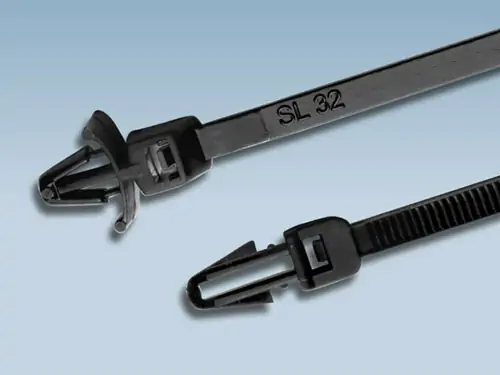
In many interior assembly scenarios, especially where panels or fixed mounting points are available, Push Mount Ties for automotive cable routing systems are widely referenced as an effective solution for achieving stable fixation without damaging surrounding components.
Aftermarket Vehicle Modifications
Car modification projects often introduce additional wiring for lighting systems, sensors, or entertainment devices. Without proper organisation, these additions can quickly become safety risks.
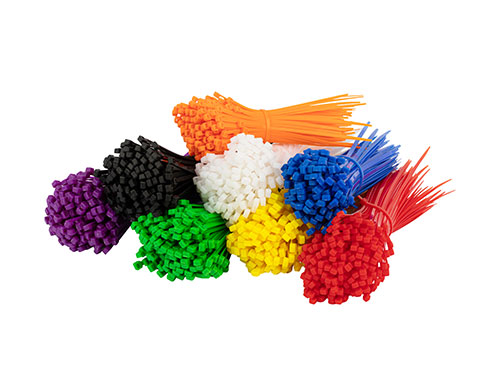
For structured evaluation of different fastening configurations, Zip Ties for Car cable management systems are often used as a reference point in aftermarket design planning.
Industry Perspective: Why Structured Cable Management Matters
According to general automotive engineering standards such as ISO 6722 for road vehicle wiring cables, proper routing and fastening are essential to ensure long-term electrical stability and safety compliance.
In real-world production environments, manufacturers prioritise:
- Reduced maintenance cost
- Improved assembly efficiency
- Lower failure rates in long-term operation
Structured fastening systems help achieve all three objectives simultaneously by minimising human error and improving repeatability.
A Practical Example from Maintenance Scenarios
In vehicle maintenance workshops, technicians often encounter intermittent electrical failures caused not by damaged components, but by loose or improperly routed cables.
After re-routing and securing wiring using structured fastening methods, many of these issues can be significantly reduced or eliminated.
This highlights an important principle:
Most electrical issues in vehicles are not component failures, but installation quality issues.
Final Considerations for Better Vehicle Wiring Design
Effective automotive cable management is not just about bundling wires—it is about designing a stable and predictable routing system that can withstand real-world conditions.
Key takeaways include:
- Prioritise environmental resistance over cost alone
- Use structured mounting points instead of random bundling
- Match fastening methods to application zones
- Consider long-term vibration and heat exposure
Soft Brand Integration
For engineers and procurement teams evaluating structured fastening solutions, boese provides technical references and application-oriented system layouts designed for automotive cable routing scenarios. Explore full automotive fastening configurations for different installation environments.