English
 Español
 Français
 Português
 Pусский
Which Scenarios Suit Magic Cable Ties Best
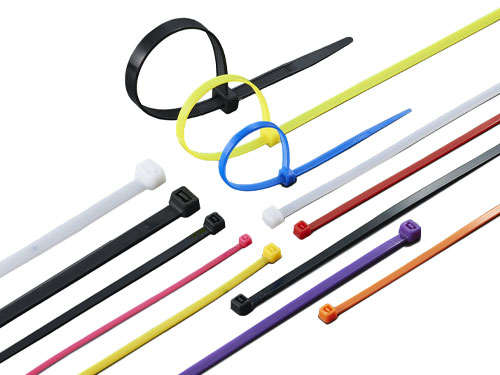
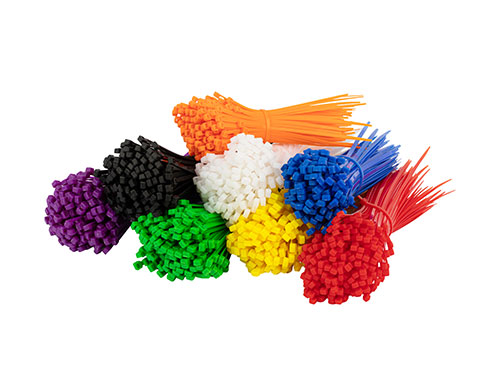
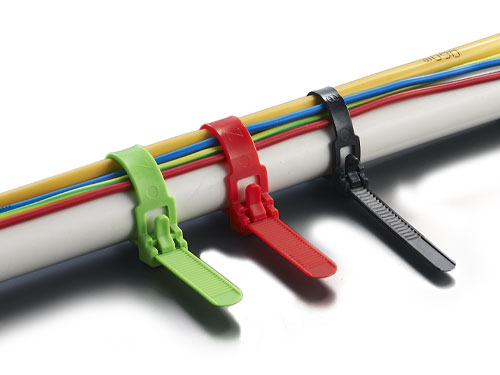
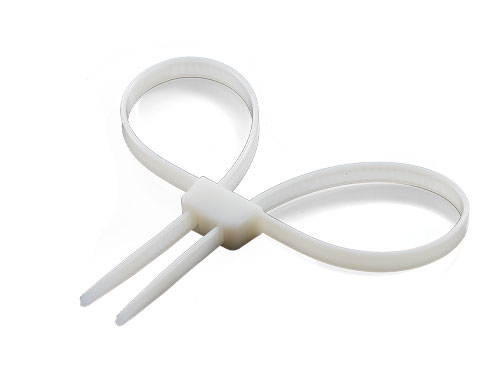
When it comes to cable management, the options are plentiful. Traditional nylon cable ties are widely used due to their strength and low cost, but they also have a limitation: once tightened, they must be cut. This can be very inconvenient for applications that require adjusting, reconfiguring, or moving cables.
Magic Cable Tie, essentially a reusable hook-and-loop fastener, offers a different solution. It wraps around cable bundles, secures them with hooks and loops, and can be easily untied when needed. It's not intended to replace traditional cable ties in all scenarios, but it excels in certain specific applications.
This article will explore the practical scenarios for Magic Cable Tie from both a technical and application perspective.
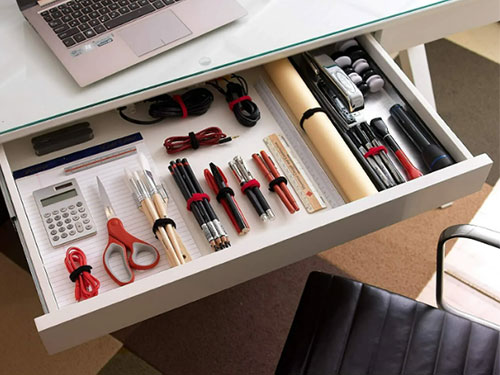
Home Offices and Entertainment Centers
One of the most common uses of Magic Cable Tie is organizing cables behind desks and entertainment systems. In these environments, cables frequently need to be added, removed, or rearranged. For example, gamers might replace their gaming consoles; remote workers might reconfigure their monitor settings.
Using traditional cable ties in these scenarios means cutting and discarding them every time a change is made. In contrast, Magic Cable Tie can be opened and reused multiple times. They securely hold cables in place and allow for quick adjustments without tools.
Furthermore, because Magic Cable Ties are made of a fabric-like material, they are less likely to damage cable insulation compared to overly tightened nylon ties. This makes them a reliable solution for standard power cords, HDMI cables, and USB cables commonly found in home offices.
Data Centers and Network Racks
In structured cabling environments, Magic Cable Ties are commonly used to manage patch cords and fiber optic cables. Fiber optic cables are particularly sensitive to tension. Nylon ties, if pulled too tight, can compress and damage the fiber, leading to signal loss.
The adjustability of Magic Cable Ties allows technicians to apply appropriate tension, keeping cables neat and organized while avoiding damage. They are also easy to reposition when the network needs to be changed.
It is worth noting that in data centers, Magic Cable Ties are typically used in areas with frequent changes, such as patch panel areas and vertical cable management systems. For permanent backbone cabling, traditional binding methods or specialized hook and loop products are usually chosen depending on installation requirements.
Temporary Installations and Event Setup
During events, trade shows, and temporary installations, equipment needs to be constantly installed and removed. Audio/video teams, stage crews, and event coordinators frequently use Velcro ties to bundle microphone cables, extension cords, and lighting cables.
The ability to quickly untie and reuse these ties without needing to carry wire cutters is a practical advantage. After the event, these ties can be recycled and reused, reducing consumable waste.
In these situations, the product operates in a temperature range of -20°C to 75°C, which is generally sufficient for indoor venues and outdoor events in mild climates. For extreme environments (such as extreme heat or cold in the desert), users should confirm that the specific product meets their durability requirements.
Retail Displays and Visual Merchandising
Retail environments often require temporary securing solutions for signage, product displays, and shelves. Velcro ties have a clean look and are available in a variety of colors to match branding or blend into the display environment.
Unlike nylon cable ties, which leave sharp ends after cutting, Velcro ties do not have sharp edges, making them more suitable for use in customer-facing areas. They can also be reused, for example, when seasonally updating displays.
Understanding Limitations
While Velcro ties are useful in many situations, it's also important to understand when they are not suitable.
For applications requiring high tensile strength, UV resistance, or extreme temperature tolerance, traditional nylon cable ties remain the standard choice. Velcro ties typically operate in temperatures ranging from -20°C to 75°C, making them best suited for indoor or sheltered environments. Unless otherwise specified by the manufacturer, they are not suitable for heavy industrial loads, automotive engine compartments, or prolonged outdoor exposure.
Choosing the right product depends on specific job requirements.
Conclusion
In scenarios requiring adjustability and reusability, Magic Cable Tie is a practical and reusable cable tie alternative. It's suitable for a variety of environments, including home offices, data centers, temporary event spaces, and retail displays—anywhere you need to bundle, adjust, and untangle cables or items without cutting or wasting them.
While not a one-size-fits-all solution, it provides consistent and reliable performance within its intended applications.