English
 Español
 Français
 Português
 Pусский
Stainless Steel Cable Ties vs. Nylon Ties: 7 Harsh Environments Where Only Metal Survives
A maintenance supervisor at a large indoor family entertainment centre noticed something alarming during a routine inspection: the heavy-duty nylon ties securing lighting cables above the ball pit area were yellowed and cracked. Some had failed, letting cables droop toward the play structures below. The ties had been installed less than two years earlier, but the combination of heat from overhead lamps and cleaning chemicals had degraded the plastic. This scenario is not unique to play centres – anywhere heat, UV, chemicals, or vibration are present, standard nylon fasteners become a hidden liability.
The choice between plastic and metal bundling products is often reduced to cost, but in challenging environments, material selection is a safety decision. Knowing which environments overwhelm nylon and how metal alternatives hold up can prevent equipment damage, electrical faults, and even fires.
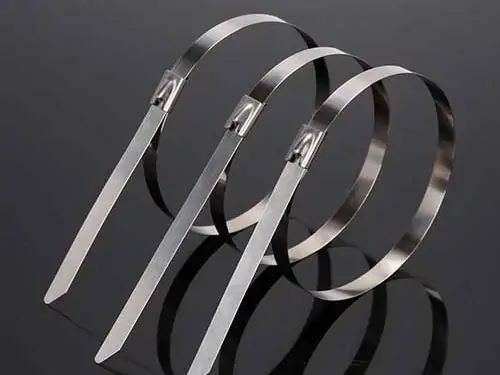
The Seven Environments Where Nylon Fasteners Fall Short
1. High-Temperature Areas
Polyamide 6.6, the most common material for nylon ties, has a continuous service temperature of around 85°C, with a melting point near 260°C. In practice, sustained exposure above 65°C causes brittleness and loss of tensile strength. Areas near heating ducts, industrial dryers, or high-wattage lighting regularly exceed these limits.
Metal fasteners, particularly 304 or 316 stainless steel, maintain full strength from -80°C to over 500°C without any loss of clamping force. For electrical installations near heat sources, this thermal stability means the bundling won’t loosen, and cables won’t sag into dangerous positions.
2. Outdoor UV Exposure
Sunlight degrades nylon through photo-oxidation. Within 12 to 18 months of continuous outdoor exposure, black nylon ties (which contain carbon black for UV resistance) can still lose up to 50% of their tensile strength. Uncoloured or coloured ties without stabilisers can fail in under six months.
UV-resistant nylon formulations extend service life but don’t eliminate the problem. In contrast, metal bundling products are completely immune to ultraviolet radiation. For outdoor cable management on rooftops, solar farms, or exterior walls of commercial buildings, choosing a UV-immune metallic fastening solution eliminates scheduled replacement cycles.
3. Marine and Salt-Spray Conditions
Dockside installations, offshore platforms, and even coastal indoor venues with salt-laden air attack nylon at the molecular level. The combination of moisture, salt, and mechanical stress causes stress-corrosion cracking in many plastics. Nylon absorbs moisture (up to 8% by weight), which changes its dimensions and can loosen the tie over time.
Here, material grade becomes critical. 316 stainless steel contains molybdenum, making it highly resistant to pitting and crevice corrosion in chloride environments. A 304-grade tie may show rust spotting within months near the ocean, while 316 stays clean for years.
4. Chemical and Solvent Exposure
Cleaning agents, hydraulic fluids, and industrial solvents can turn nylon brittle or even dissolve it. Common chemicals like hydrochloric acid, formic acid, and some alcohols attack polyamide. Indoor venues that use aggressive cleaning sprays near ceiling-mounted cables often discover tie failure during audits.
Metal fasteners with appropriate alloy selection resist most chemicals. For particularly aggressive environments (e.g., plating shops, battery rooms), 316 stainless or even higher alloys like 904L provide near-universal chemical resistance.
5. High-Vibration Machinery
Reciprocating engines, HVAC compressors, and even large play equipment with moving parts create continuous vibration. Nylon ties tend to stretch slightly under constant load, a phenomenon called creep. Over thousands of vibration cycles, a nylon tie can loosen enough to let cables rub against edges, wearing through insulation.
Metal fasteners, once tensioned properly, do not creep. The self-locking mechanism on a quality stainless tie maintains tension indefinitely, which is why they’re standard in railway, mining, and heavy equipment manufacturing. For dynamic indoor environments where safety is paramount, using vibration-proof metal cable fasteners reduces the risk of wiring failures behind the scenes.
6. Fire-Rated Building Zones
Building codes increasingly require cable supports in plenum spaces and evacuation routes to resist high temperatures during a fire. Nylon melts and drips, potentially spreading flames. Metal fasteners do not contribute fuel, drip, or produce toxic smoke.
Products tested to ASTM E84 or similar fire standards show that stainless bundling maintains cable integrity long enough for safety systems to operate. For commercial indoor play centres, where large numbers of children are present, this passive fire protection is a critical design element.
7. Rodent and Pest Prone Areas
Rodents gnaw on nylon, sometimes attracted by the plasticisers or simply to wear down their teeth. In storage facilities, agricultural buildings, or any venue near food preparation, chewed-through cable ties can disable security cameras, lighting, or safety sensors.
Stainless ties eliminate this vulnerability. Their hard surface is impervious to rodent damage, providing permanent physical security for wiring.
Beyond Material: Installation Quality Matters
Even the right metal tie can fail if installed incorrectly. Two common mistakes:
-
Over-tensioning with pliers. Metal ties need a controlled tensioning tool, not side cutters. Over-tightening can damage cable insulation just as easily as a loose tie can allow movement.
-
Cutting the tail too short. A sharp burr from a shortcut can slice nearby cables or cut a technician’s hand during maintenance. Always use a proper tensioning and cut-off tool that flushes the tail without leaving a sharp edge.
Making the Right Choice for Your Next Installation
Start by auditing where your nylon ties are installed. Look for signs of discolouration, cracking, or sagging cables. Check tie tension with a gentle pull – if a tie moves, it’s already lost its grip. Pay special attention to areas with any of the seven conditions above.
For a typical indoor commercial facility like a play centre, family restaurant, or entertainment venue, a hybrid approach often works: nylon ties for cold, indoor, low-risk locations, and metal fasteners for any location near heat sources, lighting, or areas subject to cleaning chemicals. This keeps costs manageable while eliminating the risk points.
If you’re planning a new venue build-out or refurbishment and need to secure cables near themed play structures, it makes sense to specify high-durability metallic cable ties designed for demanding indoor environments. A small increase in fastener cost can prevent a much larger expense – and a potential safety incident – down the line.
Final Thoughts
Nylon ties aren’t going away – they’re cheap, quick, and perfectly adequate for millions of indoor applications. But in harsh environments, they become a planned failure point. The seven conditions above are not rare edge cases; they’re everyday realities in commercial kitchens, outdoor venues, rooftops, and coastal sites.
Choosing a metal alternative for these zones isn’t about upgrading; it’s about using the right material for the job. When safety, uptime, and long-term reliability matter, the choice between plastic and metal fasteners is one of the simplest and most impactful decisions you can make.